
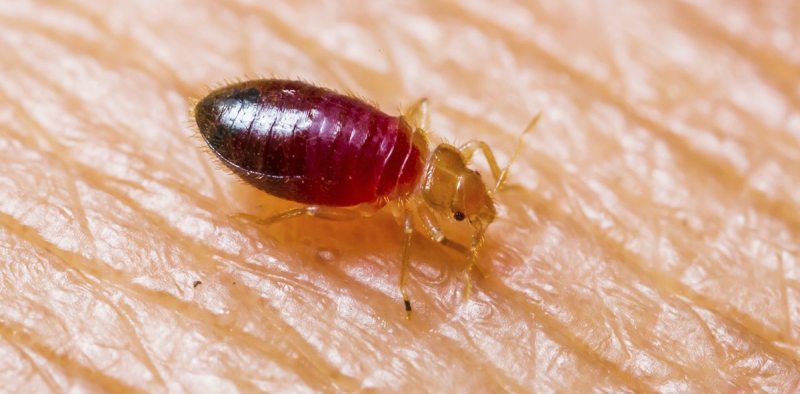
You probably need a bed bug inspection when you have a suspected specimen or repeated physical signs near a bed, couch, or other resting place. A mysterious bite with no other evidence is a reason to check carefully, not proof that your home has bed bugs.
The useful question is not “How worried should I be?” It is “What evidence do I have, and what would an inspection add?” Let’s sort that out before the laundry room becomes an all-night command center.
When can you start with a careful self-check?
A focused self-check is a reasonable first step when you have one ambiguous skin reaction, a photo that is too blurry to identify, or a speck on bedding with no repeat signs. Use a bright flashlight and spend your effort close to where people rest.
- Check mattress piping, seams, tags, and the underside edge.
- Look along box-spring corners, staples, and fabric folds.
- Inspect bed-frame joints, screw holes, and the back of the headboard.
- Check nightstand joints and couch or recliner seams nearby.
The EPA's bed bug inspection guide lists live bugs, eggs, shed skins, rusty stains, and dark spotting as useful physical signs. Photograph anything suspicious before cleaning it away.
When is an inspection the sensible next step?
Consider requesting an inspection when any of these applies:
- You captured a flat, oval bug or small pale nymph that may be a bed bug.
- You repeatedly find shed skins, eggs, or dark spotting around a resting area.
- More than one room or unit may be involved.
- You cannot safely move or inspect the bed frame or upholstered furniture.
- You already tried reasonable monitoring steps and still cannot identify the source.
If the only clue is a bite, keep looking for environmental evidence. The CDC explains that bed bug reactions vary and can resemble other bites. Our bed bug bite vs. flea bite guide walks through the household clues without pretending a rash can name the pest.
What should you save for the inspector?
- A specimen or clear photo. If you can collect the insect safely, seal it in a small container.
- The location. Record the room and exact hiding place, such as the underside of a box-spring corner.
- A simple timeline. Note when signs first appeared and whether they recur after travel, guests, or used-furniture delivery.
- Relevant building information. Mention shared walls, recent moves, or nearby units with confirmed activity without assuming where the pest came from.
Do not clean away every clue before the visit. You can keep the sleeping space usable while preserving photos, a contained sample, and the precise places that need attention.
What should you avoid doing before identification?
Do not carry unbagged bedding or furniture into another bedroom. Do not use outdoor pesticides indoors, and do not use a fogger as your only control method. Most important, do not try to turn the whole room into a heat chamber with a thermostat, fireplace, propane heater, or space heater.
The EPA's do-it-yourself guidance explains that improvised room heat can be ineffective and dangerous. A clothes dryer on high heat can help with suitable items when care directions are followed, but item treatment is not the same as confirming or treating the whole room.
What should you ask before treatment?
An inspection and a treatment are different decisions. Before agreeing to treatment, ask:
- What evidence confirmed bed bugs?
- Which rooms and items are included in the plan?
- What preparation is actually required for this home?
- Which methods or products are proposed, and what are the re-entry directions?
- What follow-up or monitoring is included in the written service terms?
Preparation depends on the treatment plan. A trustworthy answer should be specific to the home and the method, not a recycled checklist that asks you to bag everything you own before anyone has inspected the room.
What if the bug is small and pale?
It may be a nymph, but several common insects are mistaken for young bed bugs. See our baby bed bug identification guide for appearance, hiding places, and safe ways to preserve a sample. The University of Minnesota Extension also recommends expert identification of suspected specimens.
The bottom line
One unexplained bite calls for a careful look. A suspected specimen, repeated spotting, shed skins, eggs, or live bugs near a resting area makes an inspection much more worthwhile. If you are in the Nashville area, Thrive's bed bug service guide explains the decision process and gives you a direct way to describe what you found.
Ready to have the evidence checked?
Tell Thrive what you found, where you found it, and whether you saved a photo or specimen.
