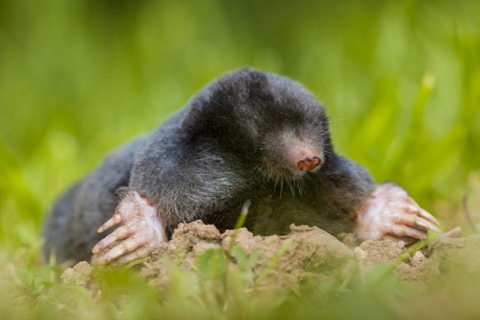
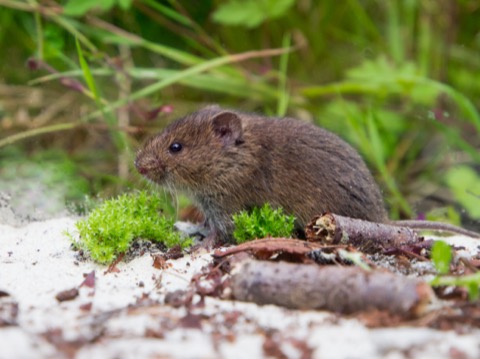
What Attracts Voles, Moles, And Insects to Your Lawn?
Effective lawn pest control starts with identifying the culprit. Raised tunnels or mounds may point to digging mammals, while chewed leaves, thinning turf, or insects on plants suggest a different problem. Once you know what you are seeing, these yard conditions are worth checking:
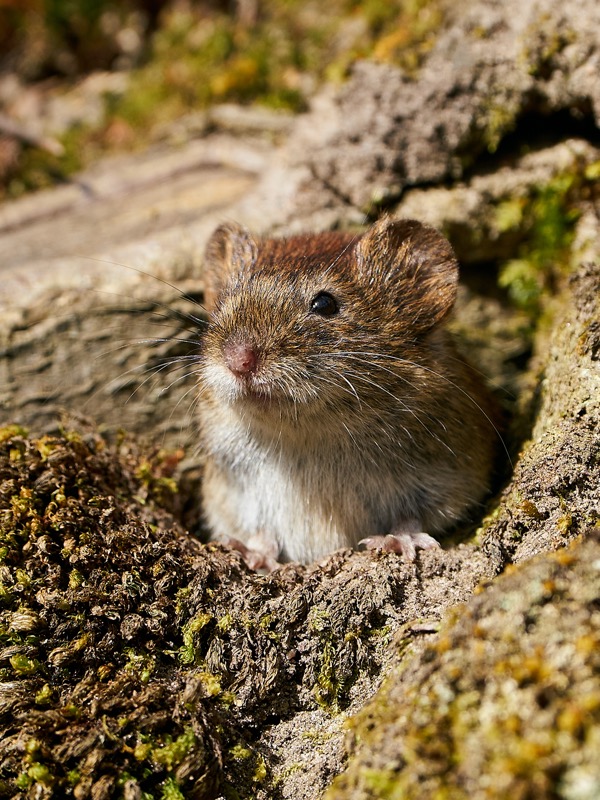
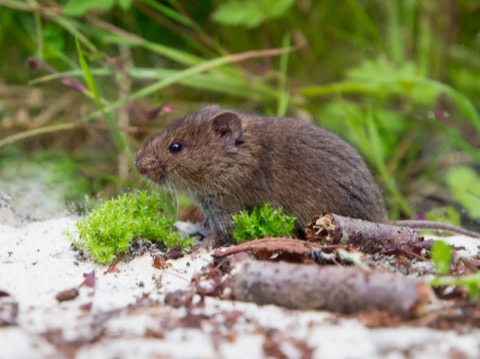
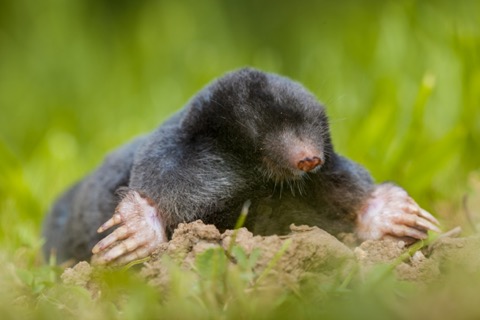
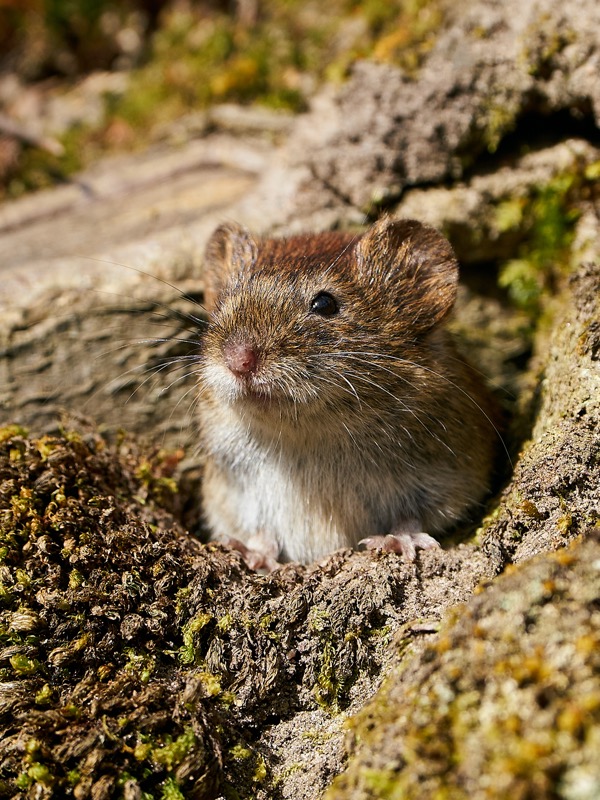
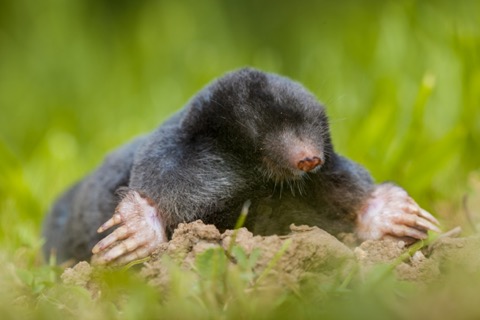
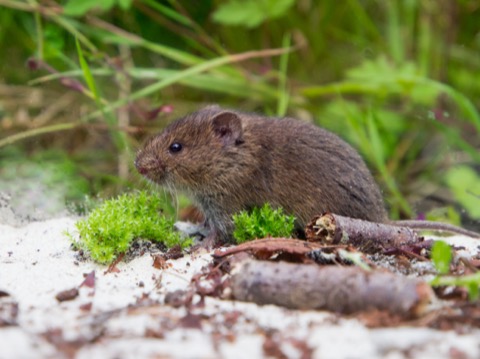
Food sources: Voles and moles are attracted to lawns with an abundant food supply. They primarily feed on insects, grubs, earthworms, and plant roots. If your lawn has a high population of these food sources, it can attract voles, moles, and other insects.
Moisture and irrigation: A moist environment can attract voles and moles, since they like insects drawn to lawns with moist soil. Overwatering or poor drainage can create a favorable environment for these pests. They thrive in damp conditions and are more likely to infest lawns with excessive moisture.
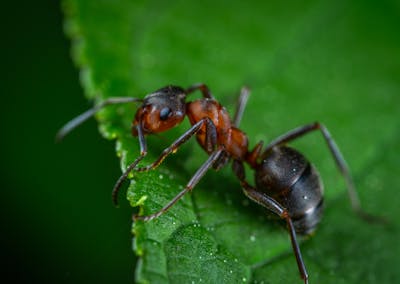
Vegetation and ground cover: Voles are herbivores and are attracted to lawns with dense vegetation, shrubs, ground cover, and tall grasses. These provide them with shelter and a food source. Similarly, certain insects are attracted to specific plants or flowers, so having susceptible vegetation can lure them to your lawn.
Organic debris and mulch: Voles, moles, and insects can find shelter and protection in organic debris, such as fallen leaves, grass clippings, and mulch. Keeping your lawn clear of excessive debris is important to discourage infestations.