
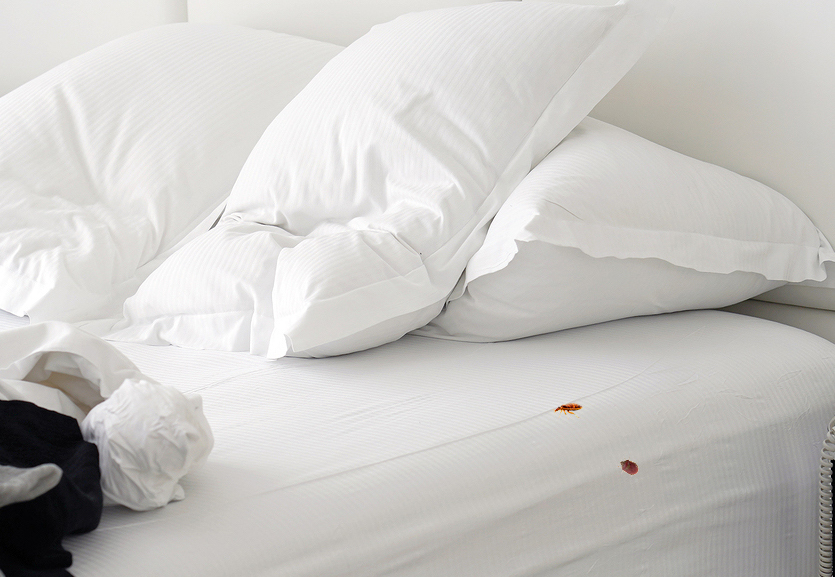
You usually cannot tell bed bug bites from flea bites by looking at the skin alone. Both can cause small, itchy, red bumps, and reactions vary from person to person. Where you found pest evidence—on a mattress, in pet bedding, or on an actual insect—matters more than whether the marks form a line or cluster.
That may feel less satisfying than an instant verdict, but it keeps you from treating the bedroom for bed bugs when the family dog has fleas, or treating the dog when the evidence is actually tucked into a bed frame.
Can a bite pattern identify bed bugs or fleas?
No. Bed bug and flea bites can overlap in appearance and location. The CDC's clinical identification guidance says the inflammatory reaction is not diagnostic for bed bugs. Confirmation is best made by identifying an adult or nymph collected near where the person was bitten.
Some people show no visible reaction to bed bug bites. Others develop marks one or more days later. Flea bites can also itch and irritate the skin. A neat row, three bumps, or bites that appeared overnight may be a clue worth investigating, but none of those is proof.
What evidence points toward bed bugs?
Look near beds, couches, recliners, and other regular resting places. The EPA recommends looking for physical signs such as:
- live flat, oval bugs or smaller pale nymphs;
- pale shed skins or tiny eggs around seams and joints;
- rusty or reddish stains on bedding; and
- dark spotting around mattress seams, the box spring, headboard, or nearby furniture.
Bed bugs do not have wings and do not jump. They hide close to where a host rests and travel by crawling or hitchhiking in luggage, folded clothing, bedding, and furniture.
What evidence points toward fleas?
Fleas are small, dark, narrow-bodied insects with powerful hind legs for jumping. In homes, common fleas are usually connected to a dog, cat, or wildlife host. The University of Minnesota Extension flea guide recommends checking the places pets sleep, jump down from furniture, or spend the most time.
- Use a flea comb and look for a live jumping insect on the pet or in bedding.
- Check fur and pet bedding for dark, pepper-like flea dirt.
- Notice whether a pet is scratching more than usual, then ask a veterinarian what product is appropriate before treating the animal.
- Vacuum rugs, upholstery, floor edges, and the places where pets rest while you work on identification.
Flea bites often occur on feet and lower legs, but location still is not enough to diagnose the source. The CDC notes that fleas prefer animal hosts but can bite people who share the space.
What should you do about the skin reaction?
Try not to scratch, keep the area clean, and contact a healthcare professional if the reaction is severe, painful, spreading, or showing signs of infection. Get urgent medical help for trouble breathing or other signs of a serious allergic reaction.
A pest-control article cannot diagnose a rash, and a photograph of bites is not a substitute for medical advice. The pest side of the problem is solved by finding environmental evidence and identifying the insect.
What should you inspect tonight?
- Start with the place you rest. Check mattress seams, box-spring edges, bed-frame joints, and nearby upholstered furniture.
- Check the pet zone. Look at pet bedding, favorite resting spots, rugs, and upholstery for fleas or flea dirt.
- Save a specimen. A clear photo or sealed sample can turn “maybe” into an identification.
- Do not spray first and investigate later. Using the wrong product or scattering the pest makes the next step harder.
When does a professional inspection make sense?
An inspection is reasonable when you find a suspected bed bug, repeated spotting or shed skins near a resting area, or recurring signs without a clear flea source. Read when a bed bug inspection is worthwhile for a practical checklist.
If you already have physical bed bug evidence in a Nashville home, Thrive's bed bug inspection and treatment guide explains what information to gather and what to ask about a proposed plan. If the evidence points to fleas, involve your veterinarian and address the pet and home together rather than treating only one side of the problem.
Found evidence near a bed or couch?
Keep the specimen or photos and review what to ask before arranging a Nashville bed bug inspection.
